










































Faces of Religious Influence: Religious Leaders Help Fight Polio in Somalia - and across the Globe
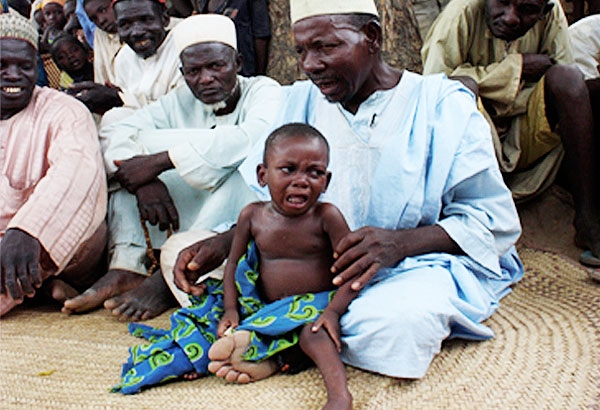
"Religious leaders are vital to the worldwide effort to free children from the scourge of polio. In countries where polio has recently been wiped out (Angola, Chad, India and DRC [Democratic Republic of the Congo]), Islamic and Christian religious influencers were trailblazers in their communities. They built bridges to parents when trust was fragile, helped overcome rumors and misinformation, and tipped public opinion in favor of the polio vaccine."
This photo essay from the Global Polio Eradication Initiative (GPEI) includes 10 images and brief stories that illustrate the strategic role of religious leaders in communication-centred efforts to eradicate polio. "From an imam who preached against the polio vaccine until his own son was paralyzed; to women volunteers who bridge the gap between mothers and male religious leaders; to Somali religious leaders who've pledged to act as frontline advocates in the fight against the recent outbreak; religious influence has many faces."
For example, one photo tells the story of Imam and Village Chief Abdelhadi Dajiru of Nigeria's Kano State. On June 5 2012, his youngest son, Ibrahim, suddenly lost the use of his legs. For decades, the imam had preached against polio immunisation campaigns, believed what a lot of other people were saying: that those who took the polio vaccine would become infertile. No one in his own household ever took the vaccine, and vaccination teams were denied entry into his home. Nearly half the families, in this village of 6,000 people followed his example. Turning his son's pain and the pain of having misled so many others into action, the imam has opened his house so villagers can see, with their own eyes, how polio affects Ibrahim. "Today I move around from house to house with the vaccination teams to make sure every child is vaccinated. Today we have no more non-compliance." In Friday prayers, Imam Dajiru urges every family to accept the vaccine against polio for their young children.
Another describes the work of Volunteer Community Mobiliser Aisha Ibrahim, who got involved in the polio eradication effort after her 6-year-old daughter Mariyam was paralysed by polio. To carry out her work, Aisha must rely on the endorsement and approval of her work by religious and other local authorities, most of whom are men. And yet, without women like Aisha who can literally "get a foot in the door" - in a place where many women would not open the door to a man - it is up to her to talk to mothers, asking them questions like: "Do you know that, to go to the Holy city of Mecca from Nigeria, you have to take polio drops, since Nigeria is a reservoir of the virus?" According to the photo essay, "[t]he woman of the house is silent as she speaks. Maybe the woman will tell her husband what Aisha has said, but it is clear the decision about vaccination is not in her hands." Since she began her work in Hawan Dawaki, Aisha has reached 56 more households than the vaccination team used to reach. Thanks to her, 159 additional children now receive the polio vaccine in this high-risk settlement. Click here to read more about Aisha's efforts (and see a video, below).
To cite a final example, as a teacher at a madrassa in one of the economically poorest parts of Karachi, Pakistan, Qari Aqeel educates children in the fundamentals of Islam and the Holy Quran. He also tries to ensure that every child at the madrassa is vaccinated against the virus, and tells students, from his own painful experience, what it is like to live with polio. In a video aired on Pakistani TV, which aims to reach 71 million households, Aqeel takes the spotlight away from the politics and misunderstandings that can muddy the dialogue about polio vaccination. For more on Qari Aqeel's efforts, including a video, click here.
Polio News August 2013 [PDF]; and "Two Drops for Mecca: Mother of Polio-affected Girl Opens Doors to Vaccination - and Helps Rid Nigeria of Polio for Good". Image credit: Geir Furuseth/UNICEF
- Log in to post comments