











































Could India's Polio Eradication Success Story Be a Model for Its Other Health Issues?
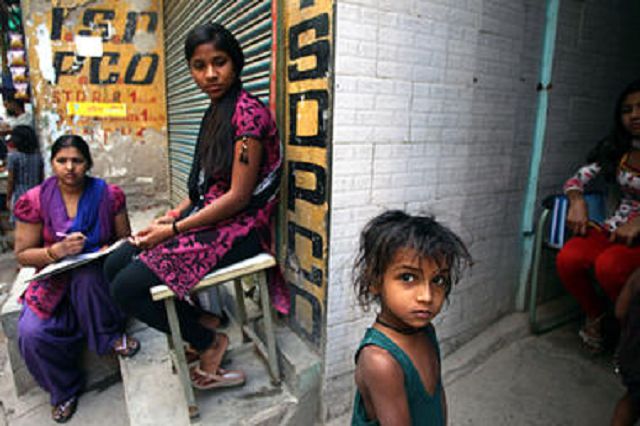
"...when the mother...saw Bollywood actor Amitabh Bachchan's television ads telling parents that just 'two drops of medicine' could help keep a child alive for life, Ms. Khatoon took her infant to the nearest pharmacy and asked how to vaccinate her only child against polio."
As detailed in this article, advertisements such as those that prompted Ms. Khatoon to seek help are part of a campaign by the central government in New Delhi and India's state governments to eradicate and keep wild poliovirus (WPV) out of India. Collaborating with organisations such as Rotary International, the United Nations Children's Fund (UNICEF), and the World Health Organization (WHO), the Indian government has waged a targeted battle against the disease, teaming up with local religious leaders, medical providers, universities, teachers, and Bollywood film stars to advertise and administer polio vaccine nationwide. January 2013 marked the second year that India, long considered a major exporter of poliovirus, did not record a new case of the infection - leaving Pakistan, Afghanistan, and Nigeria the last countries still battling the disease.
In the context of longstanding health challenges that remain in places like the slum where Ms. Khatoon resides, officials say they will apply the lessons learned during India's journey toward polio eradication to other health initiatives. One byproduct of the country's vaccination and monitoring effort has been the information network developed by India's National Polio Surveillance Project and the WHO. According to this article, the surveillance system that oversees the millions of children vaccinated against polio each year is strictly monitored and provides real-time data for every case.
"India's 28 states and seven union territories each have a diverse range of health priorities. Facilitating communication and resolving disputes between policymakers at the central, state, and district levels will be key to administrating India's nationwide health plans, including polio vaccination."
Christian Science Monitor, accessed July 31 2013. Image credit: Tsering Topgyal/AP [Associated Press]
- Log in to post comments