
























Development action with informed and engaged societies

After nearly 28 years, The Communication Initiative (The CI) Global is entering a new chapter. 

Following a period of transition, the global website has been transferred to the University of the Witwatersrand (Wits) in South Africa, where it will be administered by the Social and Behaviour Change Communication Division. Wits' commitment to social change and justice makes it a trusted steward for The CI's legacy and future. 

On the transfer, co-founder Victoria Martin expressed her pleasure to see this work continue under Wits' leadership, knowing that co-founder Warren Feek (1953–2024) would have felt deep pride in The CI Global's Africa-led direction. 

As Wits, we honour the team and partners who sustained The CI for decades and look forward building from that strong base. This includes co-founders Warren Feek (1953-2024) and Victoria Martin as well as La Iniciativa de Comunicación (CILA), which continues independently at lainiciativadecomunicacion.com with links to The CI Global site. We are also eager to forge new partnerships and entertain new ideas as we consider how best to contribute to social and behaviour change in our rapidly evolving environment.

If you are joining the International Social and Behaviour Change Communication (SBCC) Summit in Panama, please join Wits and CILA on Monday, 22 June, to share your thoughts and suggestion for the relaunch of the Communication Initiative. We will be in Pacifica 5 from 12-1:25 for the Refuel, Reflect, and Renew Lunch Series: The Communication Initiative: celebrating a driving force for Communication for Social Change and the way forward. We will reflect on the legacy of Warren Feek and family in creating the Communication Initiative, consider the contributions of CI over the years and then turn our attention towards the future in this dynamic session. 

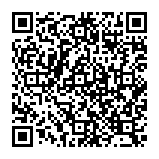
If you are unable to join us in Panama, we still want to hear from you. Please contribute your thoughts by following this link: https://redcap.link/CommunicationInitiative2026 or reaching out to ci_surveys@commint.com

You can also follow the QR Code:

 https://redcap.link/CommunicationInitiative2026

Time to read
1 minute
Read so far

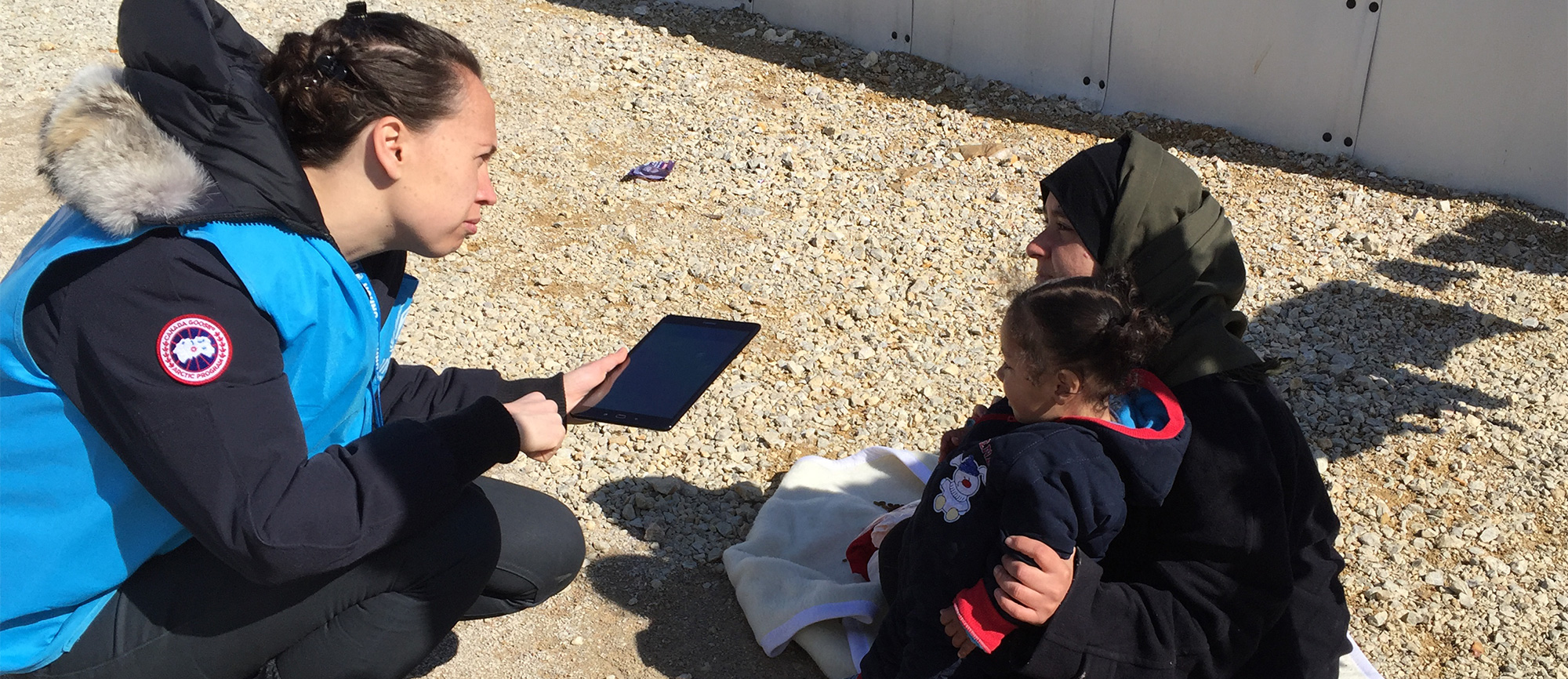
Communicating with Communities: A Practical Guide from the UNHCR Innovation Service
0 comments
Image
SummaryText

"Communicating with communities is not an option. Listening and talking to communities is a fundamental part of humanitarian response..."

This short guide consolidates the United Nations High Commissioner for Refugees (UNHCR) Innovation Service's views and experiences of communicating with communities, and contains a selection of tools. In order to help field practitioners enhance their practice, it contains a selection of tools and videos, linked to from within the text, as well as the five "read more" features in the central banner section. For instance, feature articles focus on the use of radio, short messaging service (SMS, or text), and chatbots for humanitarian communication, and outline 10 steps to setting up an effective feedback mechanism.

To provide grounding, one section is focused on the underlying policies, principles, and/or standards informing the communicating with communities approach. Another part explores good practices, in the categories of:

  • Coordination and strategy
  • Use of multiple channels
  • Dialogue and feedback
  • Designing solutions
  • Resourcing
  • Understanding information and communication needs
  • Access to information

Working in open and transparent partnerships is central to the approach the UNHCR Innovation Service. Collaborative initiatives such as the Communicating with Disaster Affected Communities (CDAC) Network, in which UNHCR is an active member, help bring together collective expertise. UNHCR Innovation Service advises that, when designing communicating with communities initiatives, it is important to consider partnerships with a variety of different organisations beyond traditional humanitarian actors. Examples include:

  • Local media (TV, radio, newspaper, and social networks)
  • Mobile network operators (MNOs)
  • Government agencies - e.g., comunications regulators or licensing agencies
  • Technology providers and software developers
  • Art and theatre groups

The guide concludes with links to additional tools and resources, as well as relevant blogs.

Publication Date
Source

UNHCR Innovation Service website, March 2 2018. Image credit: UNHCR