










































Challenging Environment for Niche NGOs
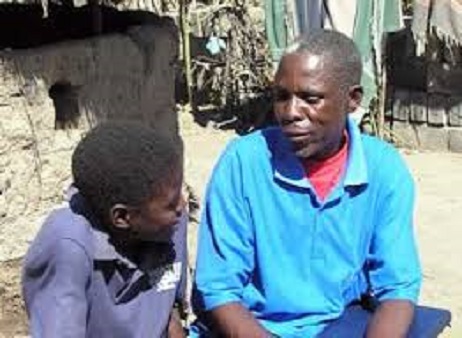
Authors: Wendy A Darby, ex-CEO Target TB; Jeffrey W. Mecaskey, Advisor, January 13 2015: Target Tuberculosis Closes
Target Tuberculosis (2003-2015). Following a period of growth and development in supporting critical efforts to improve the health of poor and disadvantaged people in Africa and Asia, Target Tuberculosis (TTB) has closed.
With meticulous attention to detail, and the understanding of its creditors, TTB achieved a solvent wind up. It is donating the modest fund conserved in the wind up to TB Alert as well as a number of our partners in the field. But this is of little consolation for the front line partners in Africa and Asia, where prospects for other sources support are extremely limited.
Despite efforts to frame tuberculosis control as an entry point for larger health equity or link it with other related health system strengthening, poverty alleviation and, of course, HIV/AID, there is an increasing gap in the tuberculosis funding necessary for control. Where other previously neglected conditions such as the trachoma, schistosomiasis and intestinal helminths control found succour as “neglected tropical diseases” with major new funding and a new lease on life, financing for tuberculosis control’s brief resurgence came with the emergence of the HIV/AIDS global pandemic, but failed to stabilise. Perhaps because the prominence of TB transmission in the Global North declined, the decline in support for efforts in the Global South hit TTB particularly hard.
Two other changes in the “market” also played a key role in TTB’s demise, and continue to threaten niche organisations. On one hand, there is a general tendency that public as well as statutory donor support is increasing to the larger charities and NGOs. For example, DFID is keen to manage their “risks” and “transaction costs” by working through larger grants and contracts with larger organisation. The proportion of charitable funding “captured” by the largest charities—the top one percent--now amounts to 69.8 percent of all charitable giving up from 48.7 percent in 2006. (https://goo.gl/ZHJXae: accessed 20150707)
The second change came with a misguided effort by statutory and philanthropic donors to achieve Value for Money by reducing funding for the vital overheads necessary to cover fiduciary risk management, programme quality assurance and public accountability. While this has affected the larger as well as smaller charities, it been particularly disruptive for those in a niche. There is hope that an effort by the initiative of BOND, MANGO and others to define what constitutes a “living wage” in terms of overhead coverage will influence the donor community. Still it is sobering to note that 2013 there were approximately 5,000 fewer charities in operation in the UK than in 2006.
Despite the sorrow of loss, TTB left a legacy of innovation and impact in the global effort to eliminate tuberculosis. TTB was an early advocate of integrating TB control into larger primary health care including early advocacy for Community Directly Observed Therapy (Community DOTS). TTB took an early approach to an integrated systems strengthening approach to its support of Tuberculosis control in African and Asia. And TTB’s work with partners in Africa and Asia delivered programmes that demonstrated how effective TB case identification, treatment completion and transmission interruption could be achieved in some of the world’s most vulnerable communities.
- Log in to post comments