










































World Environment Day: Involve communities in environmental protection
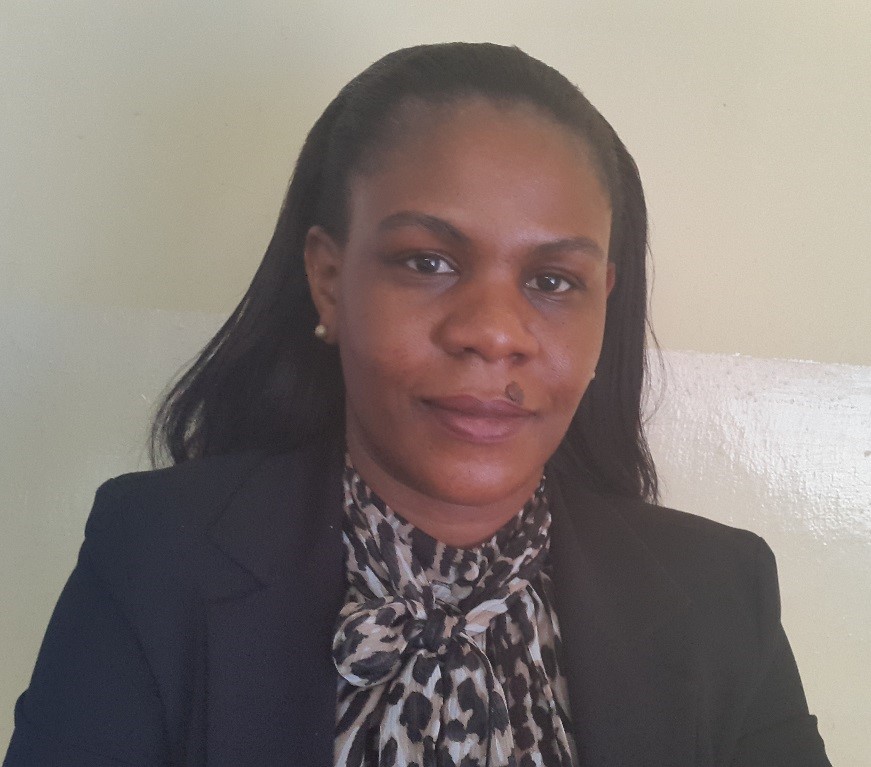
Author: Lilian Kiefer, Lusaka, Zambia, June 4 2014 - As the world commemorates the World Environment Day this Thursday, Panos Institute Southern Africa (PSAf) is appealing to the government, civil society organisations, cooperating partners and other stakeholders to work with poor and marginalised communities to address the effects of environmental challenges like climate change.
World Environment Day (WED) is commemorated every year on 5 June to stimulate awareness and promote positive actions to address environmental challenges like climate change. This year the WED is being commemorated internationally under the theme “Raise your voice, not the sea level”.
PSAf believes that this international theme speaks to the phenomenon of climate change which in recent years has gained centre stage among key environmental challenges the world, and in particular Southern Africa has to earnestly deal with. The theme is also in line with PSAf’s objective of promoting sustainable environmental responses in Southern Africa. It particularly calls for serious reflection on the effectiveness of existing responses to the climate change challenge, especially at community level. Citizens need to be part and parcel of the mitigation responses.
A number of countries in Southern Africa have recorded increased occurrences of extreme weather patterns such as floods and droughts, which to a greater extent are attributable to changes in climate. Floods in particular have become common, and resulted in thousands of people being displaced and rendered homeless, destroyed crops and livestock and caused massive economic losses in terms of infrastructural damage.
While the region’s response to actual flood situations can utmost be described as successful in a number of areas, there still remains a challenge of dealing with the bigger issue of climate change as it relates to the contribution of the citizenry to the problem and their active participation in finding effective and sustainable responses. However, there is more that can be done to involve citizens in mitigating floods before they occur.
If the region is to effectively deal with the climate change challenge, the citizenry, especially the poor and marginalised, who contribute to and are also known to be the most vulnerable to the effects of climate change, have to play an active role in addressing the problem of GHGs.
Concerted efforts and resources have to be invested in empowering citizens with information and knowledge about their role in addressing the climate change challenge through adoption of sustainable agricultural and forest resource based livelihood practices. They also have to be provided opportunities to actively get involved and perhaps take lead in implementing mitigation interventions, and also availed platforms to voice out their perspectives on the existing and potential sustainable responses. The Southern Africa region is rich in information and communication platforms and climate change knowledge base that can be exploited in this regard.
PSAf is of the view that an informed population is positioned to make informed decisions and take decisive actions on environmental and natural resources management challenges affecting them and the region. Such decisions and actions will particularly be of great significance in reducing risks of climate change.
In this regard, PSAf is currently working with different mainstream and community media platforms like radio stations, television stations, newspapers, magazines, as well as online platforms like news websites and social media sites to address various environmental challenges affecting the region.
By Lilian Kiefer
Executive Director, Panos Institute Southern Africa
- Log in to post comments